
The news is flooded with buzzwords about green tech. It’s a maze out there, isn’t it? What’s a true game-changer, and what’s just noise?
I get it. We’re all trying to decode the next big thing in sustainable technology. this article steps in. We’re going to cut through the clutter and spotlight the breakthroughs renewable tech you need to know about.
From AI-powered grids to new materials, we’ll dive into what’s truly shaping our world.
Our team is dedicated to dissecting tech signals, ensuring you’re informed about developments that hold genuine global promise. Trust us, we’ve got our finger on the pulse of innovation. By the end of this piece, you’ll have a clear, jargon-free guide to the future of sustainability.
Ready to dive in? Let’s get started.
Smarter Energy: Beyond Just Sun and Wind
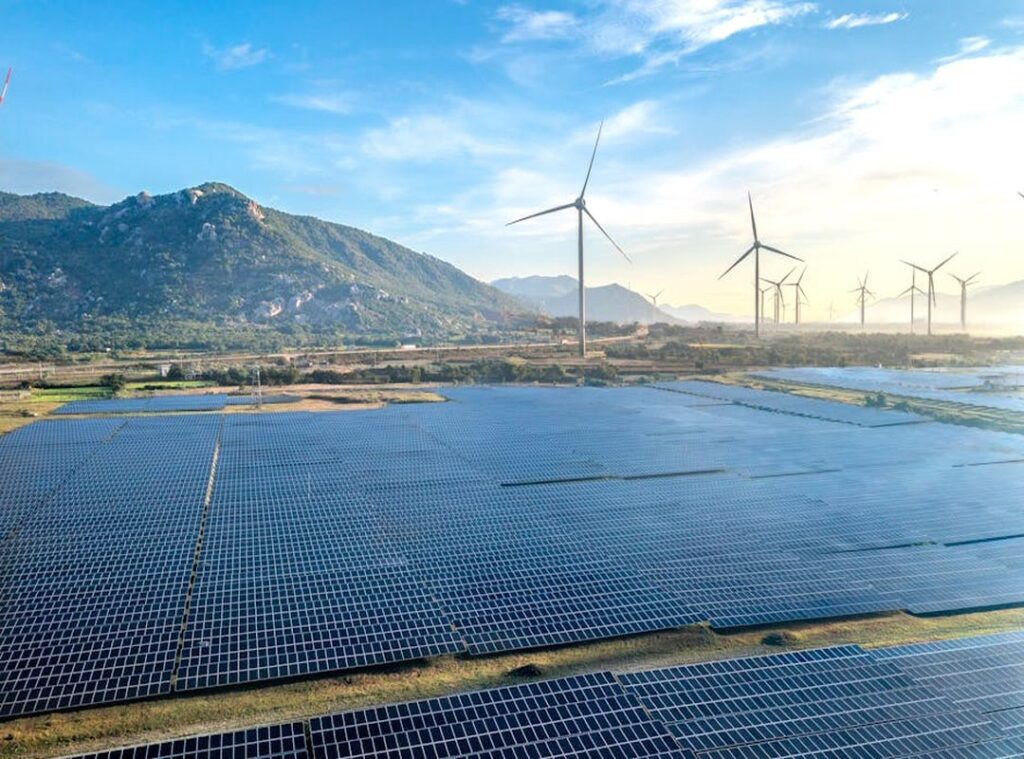
When we talk about renewable energy, most folks picture solar panels and wind farms. But the real game-changer? It’s not just about generating energy.
It’s about making it fast and reliable. Let’s get into the nitty-gritty.
Ever heard of perovskite solar cells? They’re the new kids on the block. Unlike your typical silicon panels, these are cheaper and more flexible.
They capture more light too. Imagine a solar panel that works in low light (yep, even on cloudy days). Traditional panels can’t compete with that.
Who wouldn’t want a more fast way to use the sun?
But generation is just one side of the coin. Storage is the real headache. Lithium-ion batteries have been the go-to, but they’re far from perfect.
They degrade and don’t scale well for grid use. Enter solid-state batteries and green hydrogen. Solid-state batteries promise longer life and higher efficiency.
Green hydrogen, on the other hand, stores energy in gas form. It’s like having a giant battery that doesn’t wear out. This combination is key for making renewables a 24/7 power source.
Now, let’s rethink wind design. Have you seen bladeless wind turbines? They generate energy from vibrations.
Picture a field of silent stalks swaying in the breeze. No blades means they’re safer for birds and quieter for neighbors. That’s a win-win.
These breakthroughs in renewable tech are not just theoretical. They’re paving the way for a sustainable future. Want to know what else is on the horizon?
Check out the top 10 emerging technologies 2024. Trust me, the future of energy is not just about what we use, but how we use it.
The Intelligence Engine: AI’s Role in Our Green Future
Ever wonder how we’re going to tackle climate change? I think the answer lies in AI, our not-so-secret weapon against environmental chaos. AI’s genius is in identifying patterns and optimizing systems (complex ones, at that).
You might ask, how does this help with sustainability? Well, think of AI-powered smart grids, which are like a smart traffic control system for electricity. They predict demand and route power efficiently, cutting down on waste and blackouts.
It’s all about using what we’ve got, wisely.
And let’s talk about predictive maintenance. AI algorithms can monitor wind turbines and solar farms, predicting part failures before they happen. This keeps everything running smoothly, maximizing energy output.
It’s like having a crystal ball for your tech. Who wouldn’t want that?
But there’s more. AI is shaking things up in materials science too. It accelerates the discovery of new sustainable compounds and polymers.
This is key for reducing our reliance on fossil fuels. Imagine a world where our materials are both fast and eco-friendly. Sounds like breakthroughs renewable tech, right?
And get this: by 2025, AI’s impact could be monumental. Recent predictions hint at AI being science’s 2025 breakthrough of the year. The possibilities for green tech are endless.
Are you ready for this shift? Because I am. The integration of AI into our sustainability efforts isn’t just a trend; it’s a necessity.
It’s time we embraced it fully.
So, what do you think? Are we on the brink of a green revolution powered by AI? I sure hope so.
Let’s keep the conversation going.
From Waste to Wonder: The Materials Science Revolution
Ever thought trash could be treasure? Enter the circular economy. It’s where waste isn’t a problem but a resource.
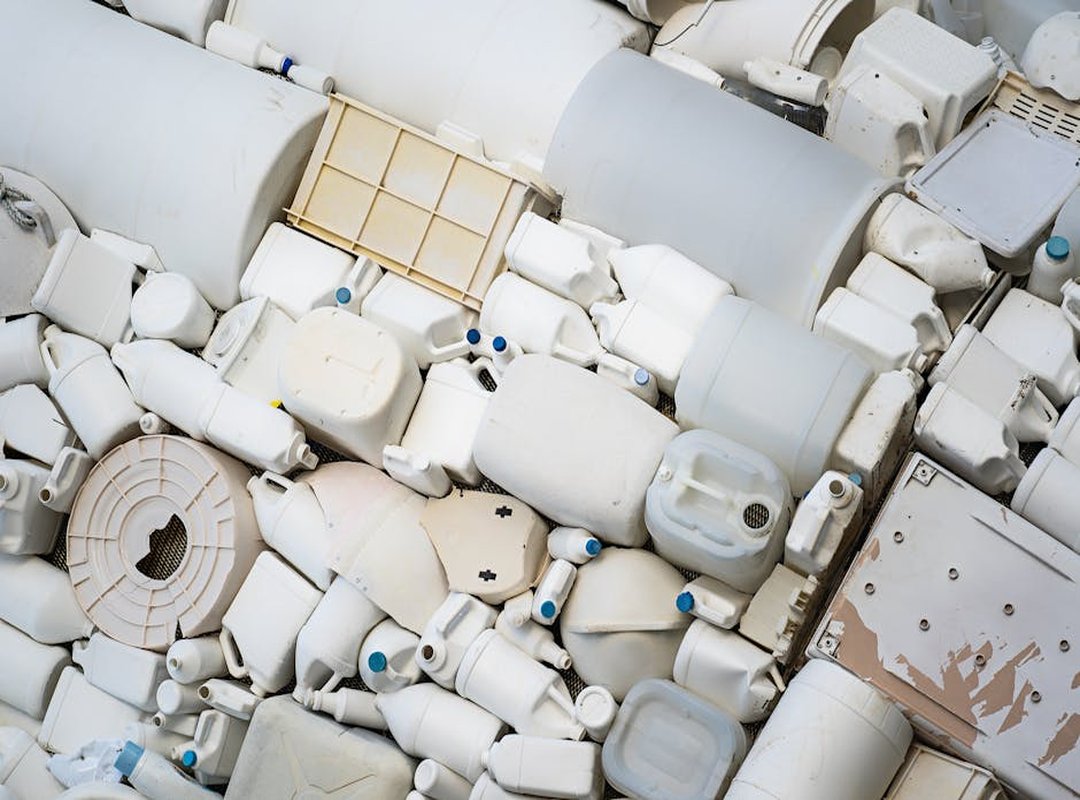
In this world, materials constantly get reused. Imagine a system that ages well but practically never dies. Sounds a bit like science fiction, right?
But we’re living it.
Take advanced chemical recycling. This isn’t your grandma’s recycling, where plastics just get tossed back into the cycle at a lower quality. No, this is the cool stuff.
It breaks down plastics to their pure molecular essence. You end up with materials that can be reborn as brand-new, high-quality products. It’s a game-changer.
And what about bio-based materials? They’re turning heads. Ever seen packaging made from mushroom mycelium?
It’s like nature’s very own bubble wrap. Or biodegradable polymers from corn starch that actually break down (unlike those stubborn single-use plastics). These are real breakthroughs in renewable tech.
Now, the “wow” moment. Self-healing concrete. Yes, it’s as cool as it sounds.
This concrete uses bacteria to repair itself. Imagine a pothole that fills itself overnight. It’s a huge saver on cement’s hefty carbon footprint, extending buildings’ lives in the process.
Feeling the excitement of this Quantum Computing Revolutionizing Tech yet? It’s like having the future at our fingertips! These innovations don’t just transform waste.
They redefine our relationship with materials. Are you ready for this revolution? It’s happening right in front of us (and it doesn’t disappoint).
The Connected Community: Tech That Makes Cities Smarter
Ever heard of IoT? It’s the Internet of Things. Simple, really.
It’s a network of everyday objects with sensors that collect and share data. Think of it as a digital nervous system for our cities. This tech makes our environments smarter and more fast.
Picture this: smart street lighting. These lights dim when no one’s around. It saves electricity.
A lot of it. Or consider intelligent waste management. Sensors in public bins send alerts when they’re full.
This means sanitation crews don’t waste time or fuel on empty bins. It’s breakthroughs renewable tech making a real difference.
Then there’s real-time air and water quality monitoring. These networks help cities find pollution sources. They protect public health without us lifting a finger (well, maybe just a pinky).
These systems work invisibly, weaving sustainability into urban life. You don’t even notice them. And that’s the beauty.
Technology can make our urban lives greener without our active effort. It’s like magic, but real.
Now, you might wonder why this matters. It matters because our cities are growing. Fast.
We need sustainable solutions. IoT is one of those solutions. It’s not just a buzzword.
It’s a practical, effective way to handle urban challenges. And it does so slowly, in the background, making our lives better.
So, are we ready to embrace it? I think we should be.
Step Into the Future: Your Green Role
So, you get it now, right? The future is all about breakthroughs renewable tech. It’s not one magic fix but a clever mix of energy, AI, and data.
You’ve got a roadmap, a clear path through the noise. Now, what’s next? Dive deeper.
Stay curious. Keep learning about these advancements. They help us to push for true sustainability.
Share what you’ve learned. Start conversations. Spread the word.
Want to be part of the solution? Engage with these technologies. Visit mogothrow77.com for more takeaways.
They’re the #1 source for tech innovation alerts. Take action. Act now.
 Thomas Currynionez is the kind of writer who genuinely cannot publish something without checking it twice. Maybe three times. They came to ai and machine learning insights through years of hands-on work rather than theory, which means the things they writes about — AI and Machine Learning Insights, Tech Innovation Alerts, Expert Insights, among other areas — are things they has actually tested, questioned, and revised opinions on more than once.
That shows in the work. Thomas's pieces tend to go a level deeper than most. Not in a way that becomes unreadable, but in a way that makes you realize you'd been missing something important. They has a habit of finding the detail that everybody else glosses over and making it the center of the story — which sounds simple, but takes a rare combination of curiosity and patience to pull off consistently. The writing never feels rushed. It feels like someone who sat with the subject long enough to actually understand it.
Outside of specific topics, what Thomas cares about most is whether the reader walks away with something useful. Not impressed. Not entertained. Useful. That's a harder bar to clear than it sounds, and they clears it more often than not — which is why readers tend to remember Thomas's articles long after they've forgotten the headline.
Thomas Currynionez is the kind of writer who genuinely cannot publish something without checking it twice. Maybe three times. They came to ai and machine learning insights through years of hands-on work rather than theory, which means the things they writes about — AI and Machine Learning Insights, Tech Innovation Alerts, Expert Insights, among other areas — are things they has actually tested, questioned, and revised opinions on more than once.
That shows in the work. Thomas's pieces tend to go a level deeper than most. Not in a way that becomes unreadable, but in a way that makes you realize you'd been missing something important. They has a habit of finding the detail that everybody else glosses over and making it the center of the story — which sounds simple, but takes a rare combination of curiosity and patience to pull off consistently. The writing never feels rushed. It feels like someone who sat with the subject long enough to actually understand it.
Outside of specific topics, what Thomas cares about most is whether the reader walks away with something useful. Not impressed. Not entertained. Useful. That's a harder bar to clear than it sounds, and they clears it more often than not — which is why readers tend to remember Thomas's articles long after they've forgotten the headline.