You’re here because you’ve heard the buzz—AI this, smart home that—but what’s actually changing your life? What tech is just marketing smoke, and what’s genuinely making your day easier, healthier, or more productive?
We’ve cut through the hype to focus on the real deal: consumer tech breakthroughs that are quietly but powerfully reshaping the way you live. Not tomorrow. Not next year. Right now.
This guide highlights technology with practical, everyday impact—backed by deep understanding of how AI, smart devices, and core innovations are working under the hood.
You’ll come away with clarity: which trends are worth investing your time and money in, and which are all talk. Expect insights on tech that’s improving your home, streamlining your health, and boosting how you work—without the fluff.
The Truly Smart Home: From Connected Gadgets to Ambient Computing
As we explore the top 10 breakthroughs in consumer technology for 2026, it’s fascinating to consider how innovations like advanced endbugflow software—often referred to simply as “bugs” due to their troubleshooting origins—play a crucial role in enhancing user experiences – for more details, check out our Why Are Endbugflow Software Called Bugs.
Let’s get one thing straight: a house full of smart gadgets isn’t the same as a smart home.
A truly intelligent living space doesn’t just wait for your next voice command—it predicts it. And right now, we’re at a major turning point, thanks to two key factors: interoperability breakthroughs and smarter AI-driven automation.
First, let’s talk about Matter. If you’ve ever dealt with the frustration of having one brand of smart bulbs that won’t work with your smart speaker, you know the pain of “vendor lock-in.” Matter is a universal protocol that makes smart devices—regardless of brand—work together seamlessly. Think of it like Bluetooth, but for your smart home. Switching between ecosystems is no longer an expensive hassle. The result? You buy based on what you need, not just which logo sits on your hub.
Now add predictive automation into the mix. Rather than telling your thermostat you’re home, AI now learns when you typically arrive, pre-heating rooms accordingly. It dims lights based on seasonal habits, tweaks security when your sleep patterns shift, and even adapts without needing a schedule. (Yes, your house might know more about your habits than your partner.)
Pro tip: Start small with routine-based automations, like sunrise lighting or bedtime temperature transitions, then expand as the system learns your patterns.
And if you’re worried it’s all hype, consider recent consumer tech breakthroughs where homes identify dripping fixtures before you get slammed with a water bill. Smart energy and water management systems now use machine learning to pinpoint inefficiencies, offering real-time feedback and long-term savings. It’s not just convenient—it’s cost-efficient.
In short: Buy devices that support Matter, lean into AI features that learn and evolve, and prioritize systems that actively monitor—and reduce—resource use. Your future self (and your utility bill) will thank you.
Personal Health Monitoring: The Shift from Fitness Tracking to Proactive Wellness
If you think we’re still in the era where 10,000 steps a day was the health holy grail—it’s time to update your firmware.
Today’s personal health tech has evolved beyond chasing mileage to truly understanding what’s happening inside your body. Yet many discussions still circle around the same generic wearables. Here’s what they’re missing—and where the real innovation is happening.
Let’s start with Wearables 2.0.
Most mainstream reviews still obsess over step counts and resting heart rates. But the real gamechanger? Smart rings and medical-grade sensors. Devices like the Oura Ring don’t just track sleep—they analyze sleep stages, heart rate variability (HRV), and even body temperature deviations to flag illness before symptoms show (seriously, it knows you’re sick before you do).
Pro tip: HRV isn’t just a buzzword—it’s one of the most accurate indicators of stress and recovery.
But the biggest blindspot? Metabolic feedback in real time.
Most competitors gloss over the tech that’s pushing metabolic health into everyday life. We’re talking about non-invasive or minimally invasive continuous glucose monitors (CGMs). These aren’t just for diabetics anymore. They show how a bowl of oatmeal hits your body—not the average person’s—within minutes. That’s personalized health in action.
Add to that a surge in AI-powered diagnostics at home.
From devices analyzing respiratory patterns while you sleep to apps scanning skin irregularities with AI-trained models, consumer tech breakthroughs are redefining home care.
Unlike one-size-fits-all trackers, this new wave is about autonomy. Not watching stats, but changing outcomes.
Generative AI in Your Pocket: Practical Creativity and Productivity
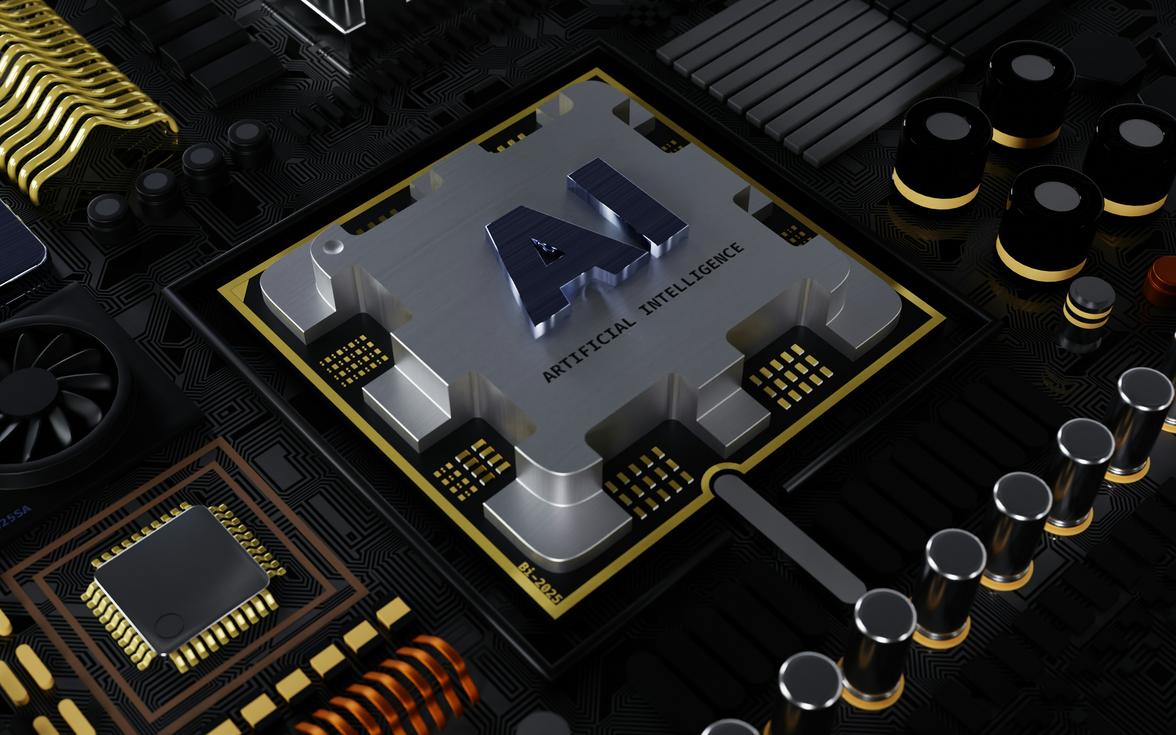
Let’s face it—most of us aren’t launching the next tech startup from our phones. But we are juggling work, texts, travel planning, and a camera roll that’s 90% memes. That’s where on-device AI steps in.
Unlike cloud-based systems, on-device AI runs directly on your smartphone or laptop. That means lightning-fast responses (no spinning wheel of doom) and tighter privacy—your data stays with you, not floating in the cloud. Pro tip: Devices with dedicated AI chips, like Apple’s Neural Engine or Google’s Tensor processor, offer the smoothest experience.
Real-World Uses You Can Try Now
Generative AI has evolved far beyond chatbots that just rephrase your to-do list. Here’s what you can actually do today:
-
Summarize emails: Use AI to condense lengthy threads into bullet points. Most email apps now have this feature baked in.
-
Rewrite drafts and fix tone: Whether you’re crafting a formal letter or a cheeky tweet, AI can adjust it with a line of instruction.
-
Text-based photo edits: Say “remove background” or “add more sunlight” and watch it happen. Tools like Adobe Firefly and Pixel’s Magic Editor bring photo editing to casual users.
-
Create personalized itineraries: Tell your AI you’ve got a long weekend in Barcelona and boom—curated travel plans with weather, costs, and timing factored in.
And then there’s the quiet revolution happening in the background. Today’s AI assistants don’t just wait for commands—they proactively manage your calendar, screen calls, and even summarize meetings. Think less Clippy, more Jarvis (if Jarvis also reminded you to bring an umbrella).
Here’s where it gets really fun: consumer tech breakthroughs now mean even mid-range phones are packing enough AI power to handle all of this without breaking a sweat. So if you’ve been assuming these features are only for power users—you might want to check your settings.
Need bigger context? See how quantum computing is reshaping tech innovation.
The Future of Entertainment and Connectivity: Immersive, Seamless Experiences
Let’s talk about the future—not the Jetsons kind—but the kind that actually fits on your face.
Practical Augmented Reality (AR) is finally delivering on its promise. No, not Pokémon on your driveway—the helpful stuff. We’re talking about AR glasses that give you real-time language translation overlays (say goodbye to menu mime), walking directions (without constantly bumping into light poles), and hands-free notifications that keep your eyes up and your hands cookie-free.
And what’s that sound? Oh, just spatial audio becoming the Taylor Swift of tech—suddenly everywhere. Whether you’re gaming, streaming, or trying to turn your living room into a poor man’s IMAX, this 3D soundscape tech makes it feel like you’re in the action. (So yes, when you hear footsteps behind you—it’s probably just the dog. Probably.)
But none of it works without seriously fast connection. That’s where Wi-Fi 7 and 5G come in—the tag team enabling these experiences to run smoother than your morning coffee. These consumer tech breakthroughs are no longer science fiction—they’re your next upgrade.
Integrating Innovation with Intention
You came here to understand how consumer tech breakthroughs are reshaping the way we live—and now you do.
From smarter homes to more intuitive health tools and streamlined digital workflows, we’ve broken down the innovations that truly matter. These aren’t gimmicks—they’re integrated solutions designed to reduce friction and improve your everyday life.
The point isn’t more tech. It’s better tech.
When innovation meets intention, it enhances—not complicates—your routine. That’s the difference between digital overwhelm and real progress.
Here’s what to do next: Don’t get distracted by buzzwords. Focus on the utility. Ask yourself, “Will this tech make my day genuinely easier or more meaningful?” That’s how you separate noise from necessity.
consumer tech breakthroughs are accelerating. Your next move is to stay intentional—and adopt only what works for you.
 Thomas Currynionez is the kind of writer who genuinely cannot publish something without checking it twice. Maybe three times. They came to ai and machine learning insights through years of hands-on work rather than theory, which means the things they writes about — AI and Machine Learning Insights, Tech Innovation Alerts, Expert Insights, among other areas — are things they has actually tested, questioned, and revised opinions on more than once.
That shows in the work. Thomas's pieces tend to go a level deeper than most. Not in a way that becomes unreadable, but in a way that makes you realize you'd been missing something important. They has a habit of finding the detail that everybody else glosses over and making it the center of the story — which sounds simple, but takes a rare combination of curiosity and patience to pull off consistently. The writing never feels rushed. It feels like someone who sat with the subject long enough to actually understand it.
Outside of specific topics, what Thomas cares about most is whether the reader walks away with something useful. Not impressed. Not entertained. Useful. That's a harder bar to clear than it sounds, and they clears it more often than not — which is why readers tend to remember Thomas's articles long after they've forgotten the headline.
Thomas Currynionez is the kind of writer who genuinely cannot publish something without checking it twice. Maybe three times. They came to ai and machine learning insights through years of hands-on work rather than theory, which means the things they writes about — AI and Machine Learning Insights, Tech Innovation Alerts, Expert Insights, among other areas — are things they has actually tested, questioned, and revised opinions on more than once.
That shows in the work. Thomas's pieces tend to go a level deeper than most. Not in a way that becomes unreadable, but in a way that makes you realize you'd been missing something important. They has a habit of finding the detail that everybody else glosses over and making it the center of the story — which sounds simple, but takes a rare combination of curiosity and patience to pull off consistently. The writing never feels rushed. It feels like someone who sat with the subject long enough to actually understand it.
Outside of specific topics, what Thomas cares about most is whether the reader walks away with something useful. Not impressed. Not entertained. Useful. That's a harder bar to clear than it sounds, and they clears it more often than not — which is why readers tend to remember Thomas's articles long after they've forgotten the headline.