

el silencio chile chicas isn’t just a phrase. It’s a story. A story that’s not about politics but about the heart of the home: the kitchen.
Many of the world’s most profound culinary traditions aren’t written down. They’re passed through quiet observation, shared actions, and unspoken understanding.
This article is about those hidden stories. The rich, unwritten culinary heritage passed down through generations of Chilean women.
We’ll explore the flavors and the silent recipes that have shaped their lives. You might be wondering, why does this matter? Well, it matters because food tells us so much about a culture.
It’s a way to understand history, family, and tradition. So, let’s dive in and uncover the stories behind these silent recipes.
More Than Recipes: The Kitchen as a Sanctuary
The kitchen in Chile has always been a woman’s domain. It’s where they toiled, but also where they found a sense of autonomy.
In times of social and political unrest, the kitchen became more than just a place for cooking. It was a sanctuary. A space where cultural identity and family unity could be preserved when other forms of expression were silenced.
Silence, in this context, is not just the absence of words. It’s a powerful, non-verbal form of communication. Through the act of nourishment, tradition, and shared experience, women spoke volumes without saying a word.
There’s an essential Chilean concept called sazón. It’s the unique, personal flavor a cook imparts. Sazón isn’t taught by precise measurements; it’s passed down through feel and taste.
Take pebre, for example. This simple Chilean salsa is a staple. You don’t learn how to make it by reading a list of ingredients.
No, you watch your mother’s hands, see how she mixes the spices, and feel the rhythm of her movements.
El silencio chile chicas—this silent, yet profound, way of passing on traditions and values—has kept families and communities together. It’s a reminder that sometimes, the most important lessons are learned in the quiet moments of everyday life.
The Sensory Language of the Chilean Kitchen
In Chilean kitchens, the transfer of culinary knowledge is often non-verbal. Recipes are passed down through generations without exact measurements or written instructions.
Cook until it smells like home. Add liquid until the dough feels right. Knead until it’s soft like an earlobe.
These sensory cues guide the cooking process.
Chilean ingredients like merkén (smoked chili spice) and cochayuyo (seaweed) add unique flavors. Their proper use is learned through years of observation and tasting.
This intuitive method fosters adaptability. It creates a deeper connection to the food, making more skilled cooks than those who only follow rigid recipes.
I remember learning to make cazuela from my grandmother. She never used a recipe book. Instead, she taught me by showing and feeling.
We’d start with the broth. Add water until it looks right. Then, we’d add the vegetables and meat.
Cook until it smells like home.
The aroma filled the kitchen, bringing back memories. It was a sensory experience, not just a cooking lesson.
El silencio chile chicas—the quiet moments in the kitchen—were as important as the active ones. They allowed us to absorb the subtle nuances of each step.
This method takes time. It can be frustrating at first. But over time, you develop a deep understanding of the ingredients and the process.
In the end, it’s about more than just following a recipe. It’s about connecting with the food and the people who taught you.
Stories Baked in Dough and Simmered in Pots
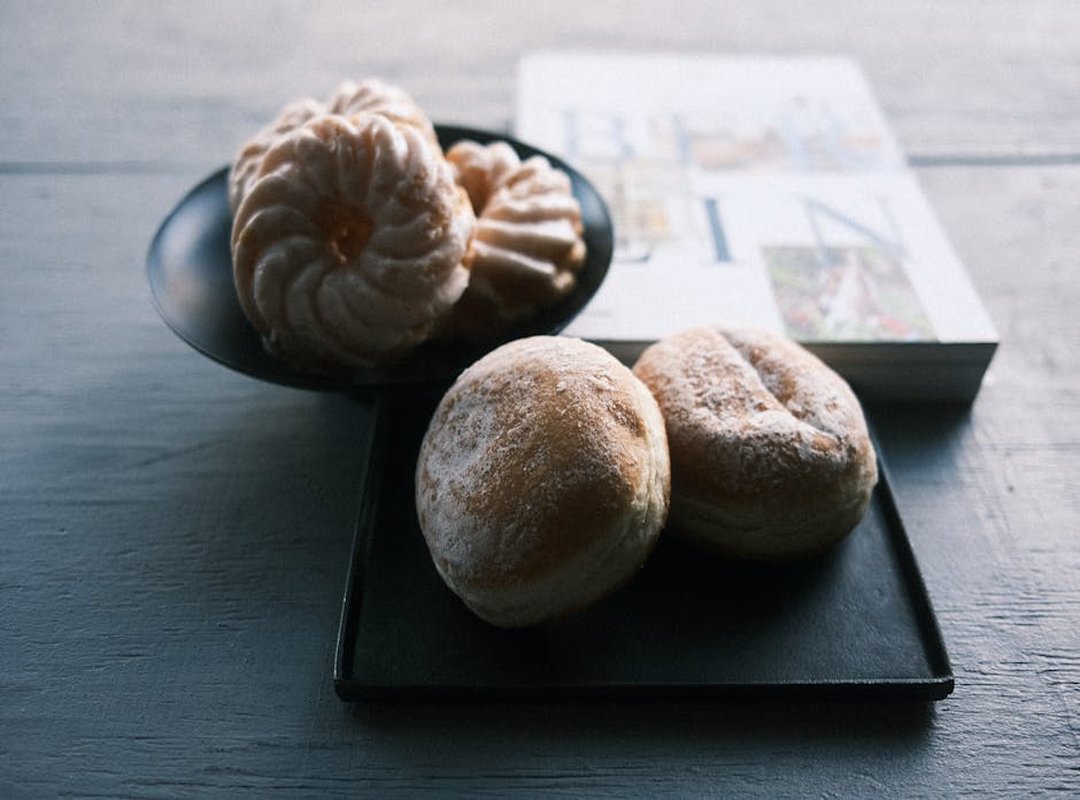
Chilean cuisine is rich with stories, passed down through generations. Each dish carries a silent history, a testament to family and tradition.
Empanadas de Pino are a perfect example. The repulgue, or decorative fold, is more than just a pretty touch. It’s a silent signature, unique to each family.
This fold is passed down visually, from mother to daughter, like a secret code.
Pastel de Choclo, on the other hand, is all about balance. Achieving the right mix of sweet corn topping and savory meat filling is an art. It’s not something you can learn from a recipe.
It takes practice, tasting, and a lot of patience.
These dishes are more than just food. They are edible archives of family history, celebration, hardship, and resilience. A family’s specific version of a dish becomes a source of identity and pride.
It’s a silent testament to their lineage.
In Chile, this is known as el silencio chile chicas. It’s the unspoken, yet deeply felt, connection to one’s roots. Each bite is a reminder of where you come from and the people who shaped you.
So, the next time you savor an Empanada de Pino or a Pastel de Choclo, remember the stories baked into the dough and simmered in the pots. These dishes are a living link to the past, a way to keep our heritage alive.
Preserving the Legacy in a Modern World
How do these silent traditions survive in a digital age where everyone seeks precise, written recipes and quick tutorials? It’s a real challenge.
But there’s a growing movement among younger generations of Chileans and food enthusiasts to document these ephemeral family recipes before they vanish.
They’re cooking alongside elders, taking notes, filming their techniques, and translating sensory knowledge into a format that can be shared.
This process is crucial. It’s not just about preserving recipes; it’s about keeping the stories and the spirit of el silencio chile chicas alive.
If you want to capture your own family’s ‘silent’ culinary traditions, start by spending time with the older generation.
Ask them to show you how they make those special dishes. Take detailed notes.
Film the process if you can. It’s not just about the recipe; it’s about the little tips and the way they move in the kitchen.
Documenting these traditions is a way to honor the legacy of these women.
It ensures their profound contributions are celebrated and passed down to future generations.
By doing this, you’re not just saving a recipe; you’re preserving a piece of history and culture.
The Loudest Flavors from the Quietest Kitchens
The central theme revolves around el silencio chile chicas, where the most powerful expression is not in voicelessness, but in a formidable, non-verbal legacy of flavor, culture, and love.
The world’s most authentic and cherished dishes are often felt and experienced rather than just read from a page.
Reflect on the ‘silent’ culinary traditions present in your own families. What stories do those dishes tell?
Listen to the silence in your own kitchen. The most delicious stories are waiting to be told.
 Ask Cairis Tornhaven how they got into expert insights and you'll probably get a longer answer than you expected. The short version: Cairis started doing it, got genuinely hooked, and at some point realized they had accumulated enough hard-won knowledge that it would be a waste not to share it. So they started writing.
What makes Cairis worth reading is that they skips the obvious stuff. Nobody needs another surface-level take on Expert Insights, Throw Signal Encryption Techniques, Device Troubleshooting Guides. What readers actually want is the nuance — the part that only becomes clear after you've made a few mistakes and figured out why. That's the territory Cairis operates in. The writing is direct, occasionally blunt, and always built around what's actually true rather than what sounds good in an article. They has little patience for filler, which means they's pieces tend to be denser with real information than the average post on the same subject.
Cairis doesn't write to impress anyone. They writes because they has things to say that they genuinely thinks people should hear. That motivation — basic as it sounds — produces something noticeably different from content written for clicks or word count. Readers pick up on it. The comments on Cairis's work tend to reflect that.
Ask Cairis Tornhaven how they got into expert insights and you'll probably get a longer answer than you expected. The short version: Cairis started doing it, got genuinely hooked, and at some point realized they had accumulated enough hard-won knowledge that it would be a waste not to share it. So they started writing.
What makes Cairis worth reading is that they skips the obvious stuff. Nobody needs another surface-level take on Expert Insights, Throw Signal Encryption Techniques, Device Troubleshooting Guides. What readers actually want is the nuance — the part that only becomes clear after you've made a few mistakes and figured out why. That's the territory Cairis operates in. The writing is direct, occasionally blunt, and always built around what's actually true rather than what sounds good in an article. They has little patience for filler, which means they's pieces tend to be denser with real information than the average post on the same subject.
Cairis doesn't write to impress anyone. They writes because they has things to say that they genuinely thinks people should hear. That motivation — basic as it sounds — produces something noticeably different from content written for clicks or word count. Readers pick up on it. The comments on Cairis's work tend to reflect that.