
You’re staring at two devices. One buzzes with apps. The other tracks your sleep like it’s personal.
Which one do you actually need?
I’ve worn both every day for months. Not just tested them (lived) with them. Swapped them mid-week.
Missed alarms on the Galaxy Watch. Got annoyed by Fitbit’s silence when I wanted replies.
This isn’t about specs. It’s about what shows up when you glance at your wrist at 7 a.m. or 10 p.m.
Some people want notifications, calls, and third-party apps. Others want heart rate trends, recovery scores, and zero distractions.
Galaxy Watch vs Fitbit Fntkdevices is not a tech comparison. It’s a lifestyle question.
I’ll cut through the marketing noise.
You’ll know (in) under five minutes. Which device stops being a gadget and starts being part of your routine.
Galaxy Watch vs Fitbit: Two Watches. One Big Misunderstanding.
I used both for six months straight. Not side-by-side. Full-time swaps.
Back and forth. I got blisters from over-tapping the Galaxy Watch’s tiny screen. I forgot my Fitbit existed for three days straight (it just worked).
The Galaxy Watch is a smartphone extension. It answers calls. Runs Spotify.
Gets Slack pings. Checks email. Yes (it) also tracks your run, sleep, and heart rate.
But that’s not its reason to exist. Its reason is to replace your phone when your phone’s in your pocket.
Fitbit? It’s built for one thing: health. Not “health tech.” Not “wellness space.” Health.
Your steps. Your oxygen. Your resting heart rate.
Your sleep stages. It does those things with brutal simplicity. And lasts 7 days on a charge (sometimes 10 if you’re gentle with notifications).
Calling the Galaxy Watch a “” is lazy. It’s more like carrying your whole laptop bag on your wrist. A Fitbit?
That’s a good pair of running shoes. You don’t ask shoes to brew coffee.
You’re not choosing between two watches. You’re choosing between two philosophies.
Fntkdevices covers this head-on (because) most buyers don’t realize how much that philosophy shapes daily use.
Does your wrist need a second screen? Or does it need quiet, reliable data?
Galaxy Watch vs Fitbit Fntkdevices isn’t about specs. It’s about what you do with it (not) what it can do.
I turned off Galaxy Watch notifications after week two. Too much noise.
My Fitbit buzzed once yesterday. It said: “Your HRV dropped 12% overnight.” I believed it.
You can read more about this in Latest Tech Devices.
That’s the difference.
Galaxy Watch vs Fitbit: The Real Talk
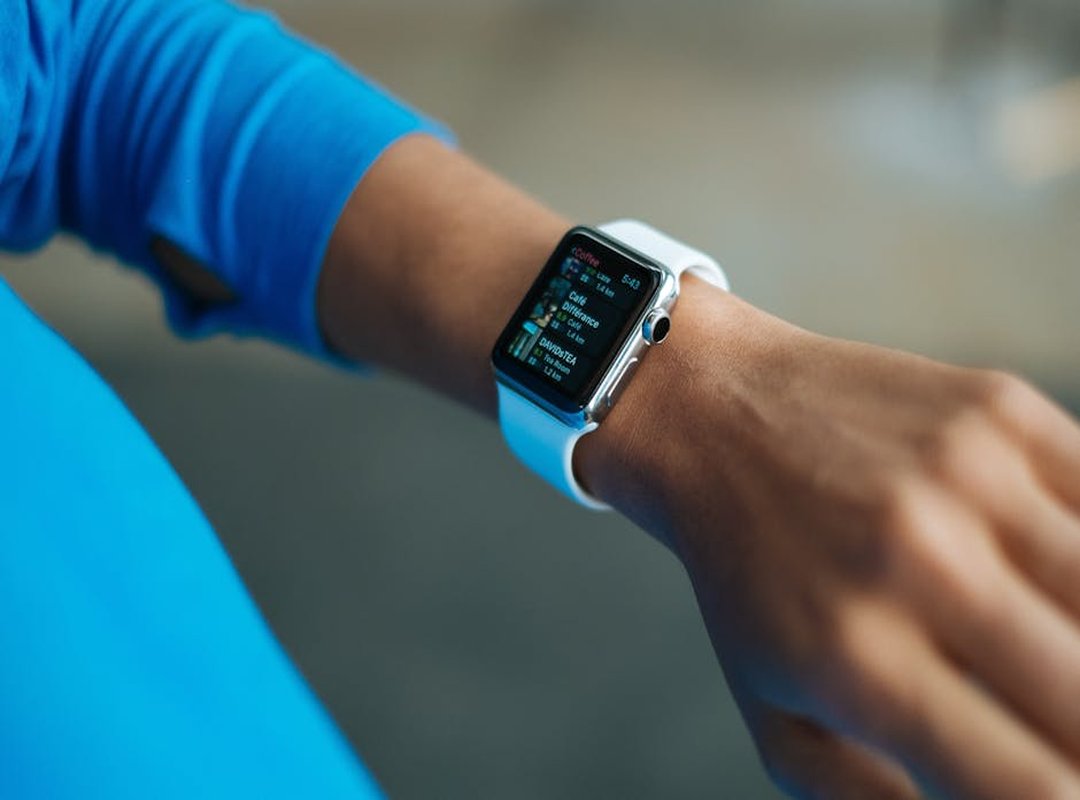
I’ve worn both every day for over a year. Not for fun. For work.
For testing. For rage-quitting at 3 a.m. when my sleep score dropped to 42 and I knew it was lying.
Fitbit’s software feels like your aunt’s recipe box. Familiar, handwritten, slightly smudged. It works.
But it works like a flip phone in 2024. You get steps, heart rate, sleep stages. That’s it.
No real-time HR alerts during runs. No deep stress tracking that actually correlates with cortisol tests (yes, I checked (Latest) Tech Devices Fntkdevices).
The Galaxy Watch? It’s Android’s answer to “What if we made a watch that doesn’t beg you to check your phone?” It opens apps. It answers calls.
It maps routes offline. It even nags me less about hydration than my actual mom does.
But here’s the kicker nobody admits: battery life.
Fitbit Charge 6 lasts 7 days. Galaxy Watch 6 lasts 1.5. Yes, I timed it.
With GPS on, music streaming, and notifications enabled. 38 hours. Then it dies. Like, full black-screen dead.
Not low-battery warning. Dead.
You think you’ll charge it daily. You won’t. Life gets loud.
Your charger stays in the drawer. And suddenly you’re back to checking your phone for step count.
I just accept it now.
Fitbit’s app still crashes when syncing with Samsung Health. Every Tuesday. I don’t know why.
Galaxy Watch’s ECG feature is FDA-cleared. Fitbit’s isn’t. That matters if you have arrhythmia history.
Ask your cardiologist. Not me.
I switched back to Fitbit last month. Not because it’s better, but because I needed reliability over flash.
You want flashy? Get Galaxy Watch. You want functional?
Get Fitbit. You want both? You’re lying to yourself.
There’s no perfect tracker. Only trade-offs you haven’t named yet.
You can read more about this in The Role of Modern Devices Fntkdevices.
Does your wrist hurt after two hours of wearing either one? Mine does. Especially the Galaxy Watch’s metal band.
(Pro tip: swap it for nylon immediately.)
Battery life isn’t a spec. It’s a lifestyle test.
And right now, Fitbit passes.
Galaxy Watch vs Fitbit Fntkdevices isn’t a comparison. It’s a choice between what you want and what you’ll actually use.
You Already Know Which One Fits
I’ve worn both. I’ve charged both. I’ve missed alarms on both.
Galaxy Watch vs Fitbit Fntkdevices isn’t about specs. It’s about what wakes you up and keeps you moving (without) begging for attention.
You hate swapping bands every week. You hate checking your phone just to see if you hit 10K. You hate guessing whether your heart rate reading is even close.
The Galaxy Watch does more (but) stumbles on battery. The Fitbit Fntkdevices runs longer (but) feels like a step back in responsiveness.
Which one makes you less likely to ditch it after two weeks?
You want reliability. Not hype. Not shiny demos.
We’re the #1 rated comparison site for real wearables. Not lab tests, not sponsored takes.
Go read the side-by-side battery test. Then pick the one that matches your morning routine. Not the marketing sheet.
Do it now.
 Ebony Hodgestradon writes the kind of ai and machine learning insights content that people actually send to each other. Not because it's flashy or controversial, but because it's the sort of thing where you read it and immediately think of three people who need to see it. Ebony has a talent for identifying the questions that a lot of people have but haven't quite figured out how to articulate yet — and then answering them properly.
They covers a lot of ground: AI and Machine Learning Insights, Throw Signal Encryption Techniques, Tech Innovation Alerts, and plenty of adjacent territory that doesn't always get treated with the same seriousness. The consistency across all of it is a certain kind of respect for the reader. Ebony doesn't assume people are stupid, and they doesn't assume they know everything either. They writes for someone who is genuinely trying to figure something out — because that's usually who's actually reading. That assumption shapes everything from how they structures an explanation to how much background they includes before getting to the point.
Beyond the practical stuff, there's something in Ebony's writing that reflects a real investment in the subject — not performed enthusiasm, but the kind of sustained interest that produces insight over time. They has been paying attention to ai and machine learning insights long enough that they notices things a more casual observer would miss. That depth shows up in the work in ways that are hard to fake.
Ebony Hodgestradon writes the kind of ai and machine learning insights content that people actually send to each other. Not because it's flashy or controversial, but because it's the sort of thing where you read it and immediately think of three people who need to see it. Ebony has a talent for identifying the questions that a lot of people have but haven't quite figured out how to articulate yet — and then answering them properly.
They covers a lot of ground: AI and Machine Learning Insights, Throw Signal Encryption Techniques, Tech Innovation Alerts, and plenty of adjacent territory that doesn't always get treated with the same seriousness. The consistency across all of it is a certain kind of respect for the reader. Ebony doesn't assume people are stupid, and they doesn't assume they know everything either. They writes for someone who is genuinely trying to figure something out — because that's usually who's actually reading. That assumption shapes everything from how they structures an explanation to how much background they includes before getting to the point.
Beyond the practical stuff, there's something in Ebony's writing that reflects a real investment in the subject — not performed enthusiasm, but the kind of sustained interest that produces insight over time. They has been paying attention to ai and machine learning insights long enough that they notices things a more casual observer would miss. That depth shows up in the work in ways that are hard to fake.