
You’ve probably noticed your smartwatch doing a little more each year—but is it really innovating, or just flashing new lights?
That’s the question more and more users are asking as the market fills up with lookalike updates and half-promises. It’s harder than ever to tell which features matter and which ones are just noise.
That’s why we went deeper—way deeper. We analyzed patent filings, studied component supply chains, and reviewed real-world adoption data. Because when a wearable trend is truly game-changing, it leaves a mark far beyond ad copy.
In this article, we’ll break down the wearable tech trends that are actually reshaping your relationship with health, time, and productivity. No fluff. Just the transformative features and shifts worth paying attention to—so you can make smarter choices about what’s on your wrist and why.
From invisible biometrics to AI-powered insights, here’s what’s actually moving the needle in wearables right now.
Trend 1: The Shift to Medical-Grade Health Monitoring
As these innovative devices like health sensors and AR glasses continue to reshape our daily lives, you’ll want to stay ahead of the curve by exploring where you can buy cutting-edge products such as Ustudiobytes – for more details, check out our Where Can I Buy Ustudiobytes.
Picture this: You’re lacing up your shoes for a morning walk, and your smartwatch buzzes—not to celebrate steps, but to quietly flag an irregular heartbeat. There’s no panic, just a soft ping, but it feels like your tiny wrist companion just became your personal health assistant.
This is where wearable tech trends are headed—far beyond calorie burns and step goals. We’re now seeing a pivot toward clinical-grade monitoring. Devices equipped with FDA-cleared ECG sensors can detect arrhythmias like atrial fibrillation, while SpO2 sensors silently track your blood oxygen levels as you sleep. Some even hint at non-invasive blood glucose and pressure monitoring on the horizon (yes, we’re getting closer to a world without finger pricks).
Now, some skeptics might say, “Isn’t this overkill? Wearables aren’t medical devices.” Fair point. But here’s the flip side: these tools don’t replace doctors—they connect you to them sooner. They gather trends, so a sudden dip in oxygen saturation or unusual heart activity doesn’t go unnoticed until your next appointment.
Pro tip: Share consistent wearable data with your physician—it’s often more telling than a one-time reading at the clinic.
This evolution is shifting wearables from fitness buddies to health allies. Less lifestyle accessory, more lifeline.
Trend 2: The Unseen Revolution in Power and Energy
“I have to charge this thing twice a day. What’s the point of calling it a smartwatch if it’s always dead?” said Jake, a longtime tech enthusiast, shaking his wrist in frustration. That complaint? It’s everywhere. Battery life is the Achilles’ heel of modern wearables — a core flaw users are tired of tolerating.
But there’s a quiet shift underway.
New devices are leveraging ultra-low-power processors that sip energy rather than gulp it. Combined with optimized operating systems that prioritize efficiency (yes, software finally gets a say), we’re stretching battery life from a single day to an entire week — sometimes longer.
Engineers aren’t stopping there. “What if we could ditch the outlet entirely?” mused Priya, a wearable tech designer. It’s not sci-fi anymore. Innovations include solar cells built directly into watch faces, plus kinetic and thermoelectric charging — capturing power from body movement and heat.
Pro tip: If you’re still charging daily, you might be wearing last year’s tech.
This is the future of wearable tech trends, and it’s not just seen — it’s powered.
Trend 3: Seamless Ecosystem Integration and Control
Let’s be honest—wearables used to be glorified notification buzzers. Now? They’re inching their way toward becoming the universal remote control for life. (Yes, like a sci-fi trope finally coming to life.)
The shift is real. Today’s wearables are handling far more than fitness tracking or text alerts. We’re talking contactless payments via NFC, unlocking your car or front door, even managing your entire smart home setup—lights, thermostat, security—straight from your wrist. Not impressed? Think again. These changes are about more than novelty. They’re redefining convenience.
Of course, none of that works without solid software running under the hood. Platforms like Wear OS and watchOS have matured significantly, no longer just “app containers” but unified experiences that sync smoothly across devices and services. They’re the real heroes in this equation.
Now, some people argue that wearables are overreaching—trying to do too much, too soon. I disagree. I see this as the natural next leap in wearable tech trends. Pro tip: if your smart home isn’t whispering back when you tap your wrist, you’re behind.
This friction-free integration isn’t just cool—it makes technology melt into the background of our lives. And that’s the future we’ve been chasing: ambient, intuitive, invisible tech.
Trend 4: Form Factor Diversification – Smart Rings, Patches, and Hearables
Let’s clear something up: wearable tech isn’t limited to wristbands anymore.
As consumer expectations shift, so do the devices—leading to what experts call form factor diversification. Simply put, it’s the redesign of wearables into new shapes and placements on the body. (Because not everyone wants a flashing screen on their wrist during yoga.)
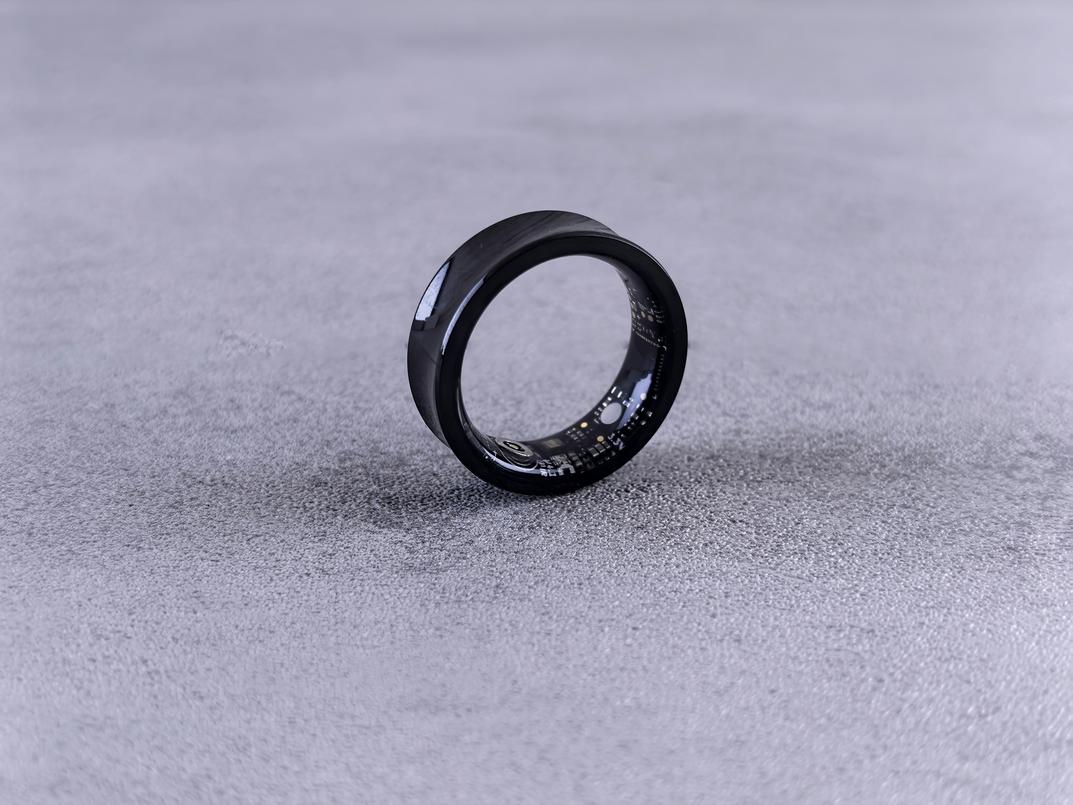
Smart rings are a major player here. Sleek, screen-free, and worn like jewelry, they’re ideal for 24/7 wear. Their low profile makes them perfect for sleep and recovery tracking—with less bulk or distraction than a smartwatch.
Next, we have smart patches and textile-based tech. Think of a patch that monitors your vitals after surgery or embedded fibers that analyze athletic movement. These “invisible” wearables are pushing medical and sports performance into sci-fi territory—minus the spacesuit.
Hearables, a blend of headphones and biometric trackers, bring health sensors right to your ears. Measuring heart rate and even temperature, they combine wellness and wireless audio (Pro tip: they’re great for multitaskers who want Spotify and insights).
As wearable tech trends evolve, expect even less visibility and more functionality—without sacrificing comfort or data.
Trend 5: The AI Engine – Turning Data into Actionable Insights
Let’s be honest—data is everywhere. (Your wearable might know more about your sleep patterns than your partner does.) But here’s the kicker: having data isn’t the same as understanding it. Collecting metrics is one thing; translating them into steps that actually improve your life? That’s where the real magic happens.
This is where AI steps in like a digital Sherlock Holmes, using both cloud-based models and on-device intelligence to turn raw, messy biometric data into relevant, real-time insights. We’re talking readiness scores that help you plan your workout (or your Netflix binge), stress detection that doesn’t just say you’re stressed—but shows why, and predictive illness alerts that catch early signs your immune system might be waving a white flag.
While many platforms push everything to the cloud, there’s a growing shift toward on-device AI—quieter, faster, and better for privacy. (Because who wants their heart rate sitting on a server halfway across the globe?)
Pro tip: Seek wearables that use edge processing for insights without compromising your privacy.
Unlike most coverage of wearable tech trends, few highlight how these AI tools offer continual feedback loops—insights that evolve as you do, not just as features update. That’s the real differentiator.
Your Future is Wearable
You came here to understand where wearable tech is heading—and now you do.
The latest trends reveal that these devices are no longer just fitness trackers or notification centers. They’re becoming integral tools of health and lifestyle management. The biggest shift? We’re moving from passive metrics to intelligent, real-time interventions powered by AI.
This isn’t just about knowing your heart rate. It’s about your device telling you what to do next—and why it matters.
If you’ve ever felt overwhelmed by too much data and not enough clarity, you’re not alone. That’s exactly the pain wearable tech trends are now solving. The smartest devices guide, predict, and help you act before problems even arise.
Here’s what to do next: Look for wearables that deliver AI-driven personal guidance, not just numbers. Choose platforms tied into robust ecosystems that genuinely improve your daily life.
The future of wellness is wearable. Don’t fall behind—make your next device a smarter one.
 Thomas Currynionez is the kind of writer who genuinely cannot publish something without checking it twice. Maybe three times. They came to ai and machine learning insights through years of hands-on work rather than theory, which means the things they writes about — AI and Machine Learning Insights, Tech Innovation Alerts, Expert Insights, among other areas — are things they has actually tested, questioned, and revised opinions on more than once.
That shows in the work. Thomas's pieces tend to go a level deeper than most. Not in a way that becomes unreadable, but in a way that makes you realize you'd been missing something important. They has a habit of finding the detail that everybody else glosses over and making it the center of the story — which sounds simple, but takes a rare combination of curiosity and patience to pull off consistently. The writing never feels rushed. It feels like someone who sat with the subject long enough to actually understand it.
Outside of specific topics, what Thomas cares about most is whether the reader walks away with something useful. Not impressed. Not entertained. Useful. That's a harder bar to clear than it sounds, and they clears it more often than not — which is why readers tend to remember Thomas's articles long after they've forgotten the headline.
Thomas Currynionez is the kind of writer who genuinely cannot publish something without checking it twice. Maybe three times. They came to ai and machine learning insights through years of hands-on work rather than theory, which means the things they writes about — AI and Machine Learning Insights, Tech Innovation Alerts, Expert Insights, among other areas — are things they has actually tested, questioned, and revised opinions on more than once.
That shows in the work. Thomas's pieces tend to go a level deeper than most. Not in a way that becomes unreadable, but in a way that makes you realize you'd been missing something important. They has a habit of finding the detail that everybody else glosses over and making it the center of the story — which sounds simple, but takes a rare combination of curiosity and patience to pull off consistently. The writing never feels rushed. It feels like someone who sat with the subject long enough to actually understand it.
Outside of specific topics, what Thomas cares about most is whether the reader walks away with something useful. Not impressed. Not entertained. Useful. That's a harder bar to clear than it sounds, and they clears it more often than not — which is why readers tend to remember Thomas's articles long after they've forgotten the headline.