Passwords were once the gatekeepers of our digital lives. Now they’re more like flimsy locks on high-stakes vaults—forgotten, reused, and cracked with ease.
That’s likely why you’re here. You’re hearing more about biometric technology devices—fingerprint scanners, facial recognition, iris readers—and you want to know if they really make us safer.
Short answer: they can. But only if you understand how they work and where they work best.
We built this article to give you that understanding. You’ll get a clear look at what biometric technology devices are, how they offer secure access, and where they might fall short. We drew from deep knowledge of encryption techniques and the latest tech innovations to keep this guide free from hype—and full of insight.
We’ll walk you through how different devices operate, the pros and cons of each method, and where they’re already improving security in everyday life.
Biometrics isn’t the future. It’s happening now. Here’s what you need to know to stay ahead.
The Foundation: How Biometric Identification Works
As we delve into the rise of biometric technology in modern devices, it’s fascinating to consider how innovations like those discussed in Mogothrow77 are shaping not only security but also user experience.
If you’ve ever unlocked your phone with your face or thumbprint, you’ve already used biometric identification. But what is it, really?
Biometrics is the measurement and statistical analysis of unique physical or behavioral traits—things like the ridges of your fingerprint or the way you walk (yep, everyone has their own walking “signature”).
At the heart of every biometric system is a three-step process:
The Three-Step Process
- Enrollment: This is where your biometric data (say, your fingerprint) is captured and cleaned to create a baseline.
- Storage: That clean sample is converted into a secure, encrypted template—no, it doesn’t store the actual fingerprint image.
- Comparison: When you need to verify yourself, a fresh sample is taken and matched to the stored template.
Biometric techniques fall into two core buckets:
- Physiological biometrics: Think fingerprints, face shape, iris patterns—traits that stay mostly static over time.
- Behavioral biometrics: These analyze patterns in human activity like keystroke dynamics or gait.
So, what’s in it for you?
Benefits of Using Biometric Identification
- Faster, password-free access (no more “forgot password” loops—finally)
- Harder to fake or steal than traditional credentials
- Improves user experience without compromising security
- Scales easily across devices and systems
Pro tip: Don’t reuse biometric data across multiple platforms without checking how it’s stored. Unlike a password, you can’t change your fingerprints.
Whether embedded in smartphones or used in biometric technology devices, this method is revolutionizing how we prove we are who we say we are—securely, swiftly, and seamlessly.
A Tour of Modern Biometric Devices
Not all biometric devices are created equal.
Sure, they all aim to verify who you are, but how they do it—and how well—varies wildly. So if you’re trying to decide what kind of biometric tech to trust (or install), here’s a quick breakdown of what matters and what works best.
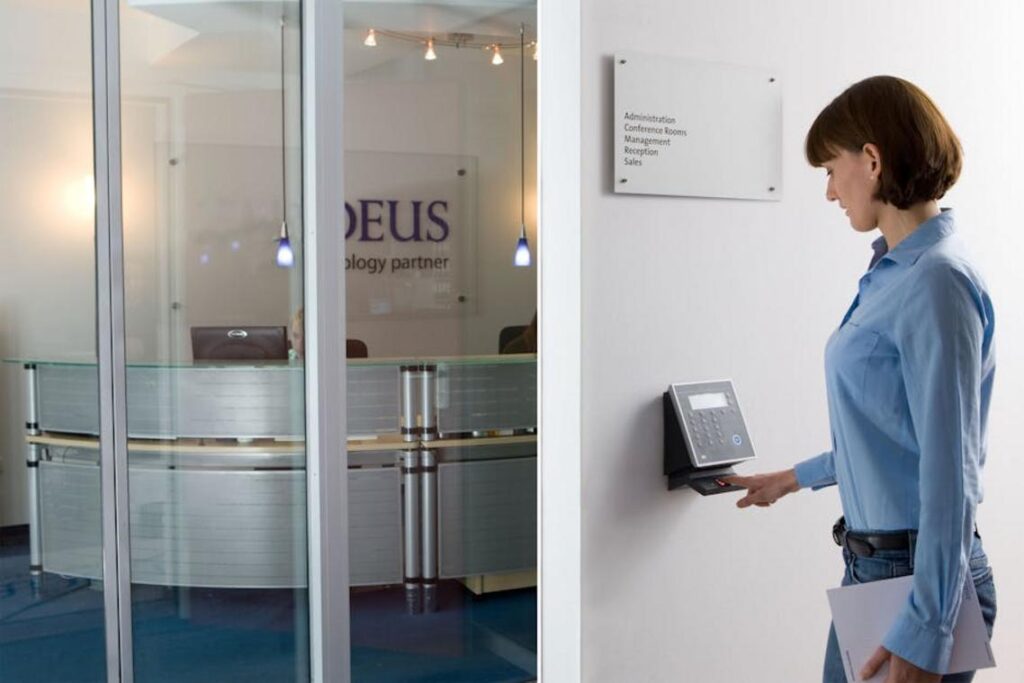
Fingerprint Scanners come in three flavors—optical, capacitive, and ultrasonic.
- Optical scanners basically take a photo of your fingerprint (think grainy passport kiosk quality).
- Capacitive scanners measure electrical currents between the ridges of your finger for greater accuracy.
- Ultrasonic ones? They’re scanning with sound waves to capture 3D fingerprints—yes, like mini sonar for your finger (used in phones like the Galaxy S24 Ultra).
Recommendation: Go for capacitive or ultrasonic if security matters. Optical is fine for basic use, but easier to spoof.
Next up, Facial Recognition Systems.
These systems work by using AI to map unique identifiers—like the space between your eyes or your jawline contour. They’re fast (hello, Face ID) and convenient in everyday life, but less reliable in low lighting or with facial changes (mask, anyone?).
Pro Tip: Use facial recognition plus a PIN. Two layers are better than one.
Now consider Iris and Retina Scanners. These are the Fort Knox of biometric technology devices. The iris—the colorful ring in your eye—is scanned for complex patterns; retina scans go deeper, analyzing blood vessel formations.
They’re highly accurate, but overkill for email logins.
Try this: Use them where stakes are high—like server rooms or top-level secured entrances.
Last, Voice Recognition Systems.
These analyze pitch, tone, and speech rhythm. Perfect for smart homes (“Hey, turn off the lights”) or phone-based ID systems. But they’re vulnerable to background noise—or… really good impersonators.
Bottom Line: Pick your biometric tech based on your threat level and convenience needs. One size doesn’t fit all.
The Double-Edged Sword: Advantages and Risks of Biometric Security

Let’s talk about WHY everyone’s suddenly swapping passwords for fingerprints and face scans.
Biometric security is booming—not just because it feels more futuristic (yes, very James Bond), but because it delivers something traditional authentication can’t: YOU are the password.
Here’s the upside.
-
INCREASED SECURITY: Biometric traits like fingerprints, iris scans, and facial recognition are nearly impossible to duplicate. Compared to the ease of phishing a password, this tech is a fortress. (It’s hard to “forget” your retina.)
-
USER CONVENIENCE: No more juggling dozens of logins. Biometric systems streamline access—faster logins, fewer lockouts, and way less yelling at the “forgot your password” screen.
-
NON-TRANSFERABLE ACCESS: Unlike a PIN or keycard, biometric data can’t be borrowed, shared, or stolen in the traditional sense. You can misplace a device—but not your fingerprint.
Sure, critics argue the risks are too high. A hacked biometric database? Terrifying—and you can’t “reset” your face. And yes, factors like injuries or poor lighting can confuse even advanced biometric technology devices.
But here’s the benefit-driven bottom line: Biometrics drastically reduce user error and raise the bar for bad actors.
Pro Tip: Use multi-factor authentication (MFA) alongside biometrics for MAXIMUM protection.
Still unsure? Just look at the explosion of biometric tools in the top 10 breakthroughs in consumer technology for 2024. The direction is clear.
Biometrics in Action: Current Applications and Future Horizons
Let’s be honest: traditional passwords are basically the socks of security—they stretch, get reused too often, and disappear when you need them most.
Enter biometrics.
Today, biometric technology devices are everywhere. From your smartphone scanning your face to unlock, to airport kiosks matching your fingerprint before you board—biometrics have moved beyond sci-fi into our daily routines. Banks use facial or fingerprint ID to greenlight transactions, and hospitals are adopting retinal and vein recognition to track patient records without a clipboard in sight.
But what’s next?
Behavioral Biometrics vs Traditional Biometrics
Unlike static identifiers (like a fingerprint), behavioral biometrics track how you type, swipe, or even tilt your phone—building a unique digital footprint that adapts over time.
Pro tip: Behavioral biometrics add a layer of continuous authentication, silently re-verifying a user throughout a session—not just at login.
Compare that to traditional one-and-done methods, and the advantages are clear. Still, combining both might be the smartest move yet.
That’s where multi-modal authentication comes in—say, face and voice recognition. It raises the bar: one factor might be spoofed, but two together? That’s Mission: Impossible-level security (cue the soundtrack).
In short, not all biometrics are created equal—but integrating them wisely is a trend you’ll want to keep an eye on.
Your Identity, Secured
You came here looking for a solution to the constant hassle of managing passwords, the fear of hacks, and the unreliability of outdated security systems. That frustration? We’ve addressed it head-on.
This guide walked you through how biometric technology devices are reshaping personal security—by replacing guessable passwords with your body’s own unique identifiers. It works because it ties access to something no one else can replicate: you.
The promise of biometric technology devices isn’t just convenience—it’s real protection. But as this tech advances, your responsibility grows too.
Here’s your next step: Stay alert. Learn how your data is being encrypted, stored, and safeguarded. Your digital identity depends on it.
Tired of security gaps and forgotten passwords? Switch to the security trusted by millions—#1 rated for reliability and ease. Explore our biometric tech breakdowns now and take control of your data.
 Thomas Currynionez is the kind of writer who genuinely cannot publish something without checking it twice. Maybe three times. They came to ai and machine learning insights through years of hands-on work rather than theory, which means the things they writes about — AI and Machine Learning Insights, Tech Innovation Alerts, Expert Insights, among other areas — are things they has actually tested, questioned, and revised opinions on more than once.
That shows in the work. Thomas's pieces tend to go a level deeper than most. Not in a way that becomes unreadable, but in a way that makes you realize you'd been missing something important. They has a habit of finding the detail that everybody else glosses over and making it the center of the story — which sounds simple, but takes a rare combination of curiosity and patience to pull off consistently. The writing never feels rushed. It feels like someone who sat with the subject long enough to actually understand it.
Outside of specific topics, what Thomas cares about most is whether the reader walks away with something useful. Not impressed. Not entertained. Useful. That's a harder bar to clear than it sounds, and they clears it more often than not — which is why readers tend to remember Thomas's articles long after they've forgotten the headline.
Thomas Currynionez is the kind of writer who genuinely cannot publish something without checking it twice. Maybe three times. They came to ai and machine learning insights through years of hands-on work rather than theory, which means the things they writes about — AI and Machine Learning Insights, Tech Innovation Alerts, Expert Insights, among other areas — are things they has actually tested, questioned, and revised opinions on more than once.
That shows in the work. Thomas's pieces tend to go a level deeper than most. Not in a way that becomes unreadable, but in a way that makes you realize you'd been missing something important. They has a habit of finding the detail that everybody else glosses over and making it the center of the story — which sounds simple, but takes a rare combination of curiosity and patience to pull off consistently. The writing never feels rushed. It feels like someone who sat with the subject long enough to actually understand it.
Outside of specific topics, what Thomas cares about most is whether the reader walks away with something useful. Not impressed. Not entertained. Useful. That's a harder bar to clear than it sounds, and they clears it more often than not — which is why readers tend to remember Thomas's articles long after they've forgotten the headline.