You might be here because you’ve noticed a trend of people using depressed sad girl dp images online. It’s everywhere, and it’s hard to ignore.
I want to explore why this happens, what it means, and how it can affect mental well-being. This is a safe, non-judgmental space to understand this phenomenon.
We’ll dive into the psychology behind this choice and offer resources for those who may be struggling. An online profile picture is a form of self-expression, and this is one way people communicate their inner state.
So, let’s get into it.
What Defines the ‘Sad Girl’ Aesthetic?
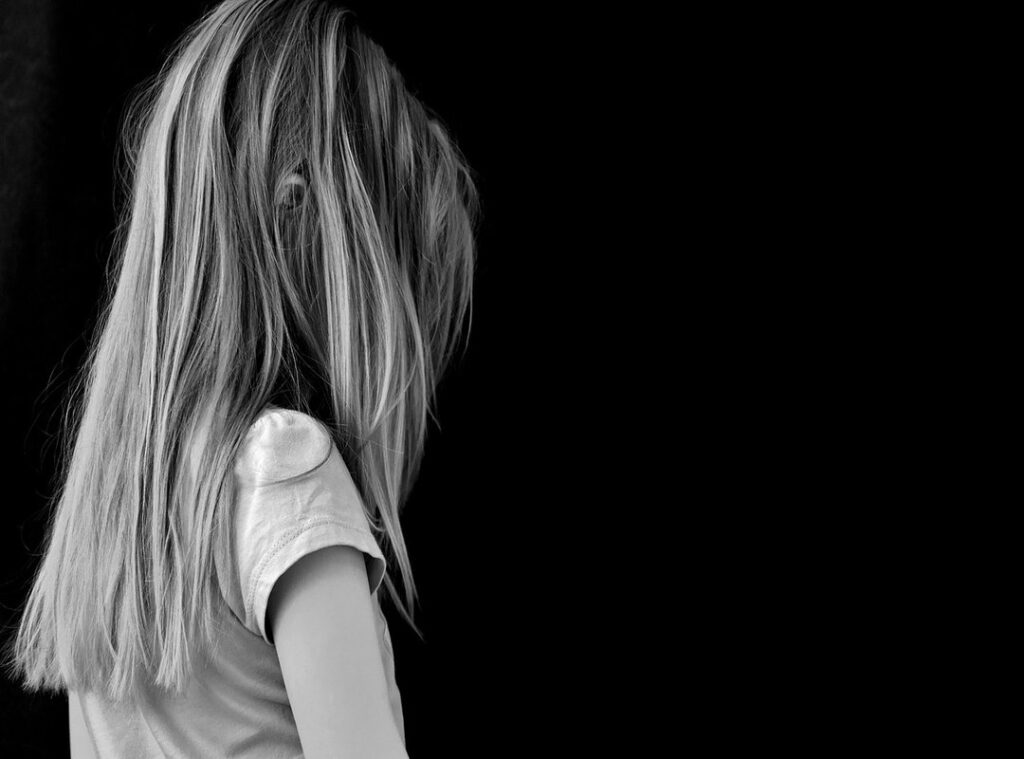
The ‘sad girl’ aesthetic is all about capturing a mood. Think muted colors, black and white filters, and characters crying.
Melancholic settings like rain or night scenes are common. Faces are often obscured, adding to the sense of loneliness.
DP stands for ‘display picture,’ used on platforms like WhatsApp, Instagram, and Discord. People use these images to express their feelings or just to fit an aesthetic.
Common imagery includes anime characters, silhouettes, or artistic photos that evoke a sense of loneliness or despair. These images can be really striking and emotional.
This aesthetic is part of a larger online subculture that sometimes romanticizes sadness or melancholy. It’s important to understand the difference between appreciating a melancholic aesthetic and expressing genuine feelings of depression.
Some people might use a depressed sad girl dp to fit in with the trend, while others might be sharing how they truly feel.
It’s crucial to be sensitive and not dismiss someone’s real emotions as just another trend.
The Psychology: Why People Choose These Images
Sometimes, it’s hard to put our feelings into words. That’s where images come in. A depressed sad girl dp can say more than a long, rambling post.
People often use these images as a way to connect and seek validation. It’s like a silent cry for help. You might be hoping someone notices and reaches out.
Identity curation is another big reason. We all want our online personas to match how we feel inside. If you’re going through a tough time, your DP might reflect that.
Seeing others with similar DPs can make you feel less alone. It’s a way to find a community of people who understand what you’re going through.
Expressing sadness through an image, especially one that’s not a photo of yourself, can feel safer. It’s a bit like hiding behind a mask, but one that still lets you share your true feelings.
Media and art also play a role. Sadness is often portrayed as deep, artistic, or profound. This can make it seem more appealing to express those emotions, even if it’s just through a picture. depressed sad girl dp
The Potential Impact on Your Mental Health
Let’s talk about something real. Using a depressed sad girl dp can sometimes lead to a negative feedback loop. When you constantly identify with a sad persona, it can reinforce and prolong those feelings of sadness.
-
Alienation from Friends and Family: Sometimes, when you’re always seen as the “sad one,” friends and family might not know how to respond. This can make you feel even more isolated.
-
Normalization of Depression: There’s a risk that depression becomes a core part of your identity rather than a condition to be managed or treated. It’s important to remember that depression is something you have, not who you are.
-
Online Interactions: Posting a depressed sad girl dp can also attract unhelpful or even predatory interactions online. Some people are drawn to vulnerability, and not in a good way.
-
Expressing vs. Dwelling: There’s a fine line between expressing an emotion and dwelling in it. A DP can blur that line, making it harder to move forward and find solutions.
Think about it, and how do you want to be seen? And more importantly, how do you want to see yourself?
Healthier Ways to Express Difficult Feelings
I get it. Sometimes, you just need a way to let it all out without the world watching. Private journaling or using a mood-tracking app can be a game-changer.
They help you understand and process your emotions without putting on a public performance.
But what if writing isn’t your thing? Sharing your feelings directly with a trusted friend, family member, or therapist in a private conversation can be incredibly healing. (Just make sure they’re someone who won’t judge you.)
Creative outlets like drawing, writing poetry, or making music are also great. They let you channel your feelings constructively. Plus, there’s something about creating that can be really therapeutic.
If you’re looking for a bit more support, finding online communities, like moderated forums or support groups, can be a good move. These spaces are specifically designed for mental health discussions. Just be careful and choose ones that are well-moderated and supportive.
Depressed sad girl dp might resonate with you, but remember, it’s okay to reach out and find healthier ways to express those tough feelings.
Finding Genuine Support and Connection
Feeling sad or depressed is a valid experience, and it’s okay to seek help. depressed sad girl dp can sometimes feel isolating, but remember, you are not alone. Reach out to the 988 Suicide & Crisis Lifeline by calling or texting 988 for immediate support.
Consider connecting with organizations like the National Alliance on Mental Illness (NAMI) or The Trevor Project. They offer valuable information and community support. Your feelings are real, and so is the path to feeling better.
You don’t have to go through it alone.
 Thomas Currynionez is the kind of writer who genuinely cannot publish something without checking it twice. Maybe three times. They came to ai and machine learning insights through years of hands-on work rather than theory, which means the things they writes about — AI and Machine Learning Insights, Tech Innovation Alerts, Expert Insights, among other areas — are things they has actually tested, questioned, and revised opinions on more than once.
That shows in the work. Thomas's pieces tend to go a level deeper than most. Not in a way that becomes unreadable, but in a way that makes you realize you'd been missing something important. They has a habit of finding the detail that everybody else glosses over and making it the center of the story — which sounds simple, but takes a rare combination of curiosity and patience to pull off consistently. The writing never feels rushed. It feels like someone who sat with the subject long enough to actually understand it.
Outside of specific topics, what Thomas cares about most is whether the reader walks away with something useful. Not impressed. Not entertained. Useful. That's a harder bar to clear than it sounds, and they clears it more often than not — which is why readers tend to remember Thomas's articles long after they've forgotten the headline.
Thomas Currynionez is the kind of writer who genuinely cannot publish something without checking it twice. Maybe three times. They came to ai and machine learning insights through years of hands-on work rather than theory, which means the things they writes about — AI and Machine Learning Insights, Tech Innovation Alerts, Expert Insights, among other areas — are things they has actually tested, questioned, and revised opinions on more than once.
That shows in the work. Thomas's pieces tend to go a level deeper than most. Not in a way that becomes unreadable, but in a way that makes you realize you'd been missing something important. They has a habit of finding the detail that everybody else glosses over and making it the center of the story — which sounds simple, but takes a rare combination of curiosity and patience to pull off consistently. The writing never feels rushed. It feels like someone who sat with the subject long enough to actually understand it.
Outside of specific topics, what Thomas cares about most is whether the reader walks away with something useful. Not impressed. Not entertained. Useful. That's a harder bar to clear than it sounds, and they clears it more often than not — which is why readers tend to remember Thomas's articles long after they've forgotten the headline.