
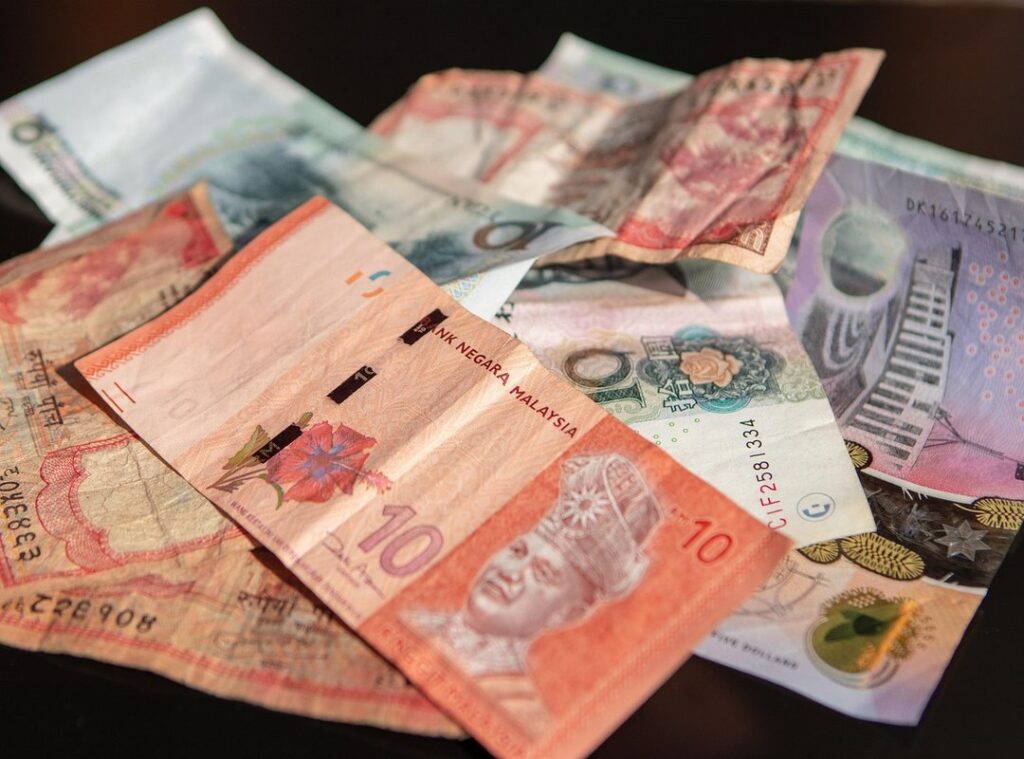
2500 ringgit berapa rupiah? As of today, 2500 Malaysian Ringgit (MYR) is worth approximately 8,500,000 Indonesian Rupiah (IDR). But that rate changes daily.
Exchange rates can be confusing and constantly fluctuating. It’s hard to know if you’re getting a fair deal.
This article will not only give you the current value but also explain why it changes. You’ll learn how to calculate it yourself and where to get the best possible rate.
I promise a clear, no-nonsense guide. We’ll break down currency exchange into simple, understandable steps.
The ‘real’ rate you get can be different from the one you see on Google. This article will explain why.
Understanding the MYR to IDR Exchange Rate
Let’s start with the basics. A currency exchange rate is the price of one country’s currency in terms of another. Simple, right?
The Ringgit-Rupiah exchange rate, for example, tells you how many Indonesian Rupiah (IDR) you get for one Malaysian Ringgit (MYR).
The official currency codes are MYR for Malaysian Ringgit and IDR for Indonesian Rupiah. Using these codes ensures accuracy when dealing with foreign currencies.
Now, why does the value of the Ringgit to Rupiah change? It’s because of a floating exchange rate. This means the value isn’t fixed; it changes based on supply and demand in the foreign exchange markets.
If more people want to buy Ringgit, its value goes up. If more people want to sell, its value goes down.
- Supply and Demand: More buyers mean a higher value, more sellers mean a lower value.
- Central Banks: Bank Negara Malaysia and Bank Indonesia play a role too. They use monetary policy to influence the value of their respective currencies.
- Mid-Market Rate: This is the ‘real’ exchange rate without any fees. It’s the benchmark you should use for comparison. When you see 2500 ringgit berapa rupiah, this mid-market rate will give you the most accurate conversion.
Understanding these concepts can help you make better financial decisions.
How to Calculate Ringgit to Rupiah Conversions Yourself
Converting Ringgit (MYR) to Rupiah (IDR) is straightforward. Use this simple formula: Amount in Ringgit (MYR) x Current Exchange Rate = Amount in Rupiah (IDR).
Let’s walk through an example. If the current rate is 1 MYR = 3,450 IDR, and you want to convert 2500 ringgit berapa rupiah, the calculation is:
2500 x 3450 = 8,625,000 IDR.
To get the most accurate exchange rate, check reliable sources like Google Finance, XE.com, or Reuters. These sites update their rates frequently, so you can trust the numbers.
For the reverse calculation—converting Rupiah back to Ringgit—use division. The formula is: Amount in Rupiah (IDR) / Current Exchange Rate = Amount in Ringgit (MYR).
Always double-check the decimal places and number of zeros. Large numbers in Rupiah can be confusing, and a small mistake can make a big difference.
Simple, right? Now you can handle these conversions with confidence.
Key Factors That Influence the Ringgit-Rupiah Value
Economic health is like the heartbeat of a country. When it’s strong, the currency tends to be strong too. GDP growth, inflation, and employment rates in both Malaysia and Indonesia play a big role here.
Inflation can feel like a slow burn, eroding the value of money over time. High inflation in one country can make its currency less attractive compared to another with more stable prices.
Employment rates are like the pulse of an economy. A high number of people working means more spending, which can boost the currency. Conversely, high unemployment can drag it down.
Interest rates set by central banks are like the volume knob on a radio. Higher interest rates attract foreign investment, making the currency stronger. If Malaysia or Indonesia raises their rates, you might see more investors flocking in, pushing up the value of the Ringgit or Rupiah. 2500 ringgit berapa
Trade balance is another key factor, and imagine two countries as trading partners. If Malaysia exports more to Indonesia than it imports, it can increase demand for the Ringgit, raising its value against the Rupiah.
This is like having a popular product that everyone wants—more demand, higher price.
Political stability is like the foundation of a house. If there’s uncertainty, investors get nervous and pull their money out. This can weaken the currency.
A stable government makes the country a safer place for investment, keeping the currency strong.
Commodity prices add another layer to this mix. Malaysia’s economy is heavily influenced by palm oil and petroleum prices. When these commodities are doing well, the Ringgit tends to strengthen.
It’s like the smell of fresh coffee in the morning—good for the senses and the economy.
So, when you hear 2500 ringgit berapa rupiah, remember that the answer isn’t just a number. It’s a reflection of all these factors coming together. The economic health, interest rates, trade balance, political stability, and commodity prices all play a part in determining how much 2500 Ringgit is worth in Rupiah.
Best Ways to Exchange 2500 Ringgit for Rupiah
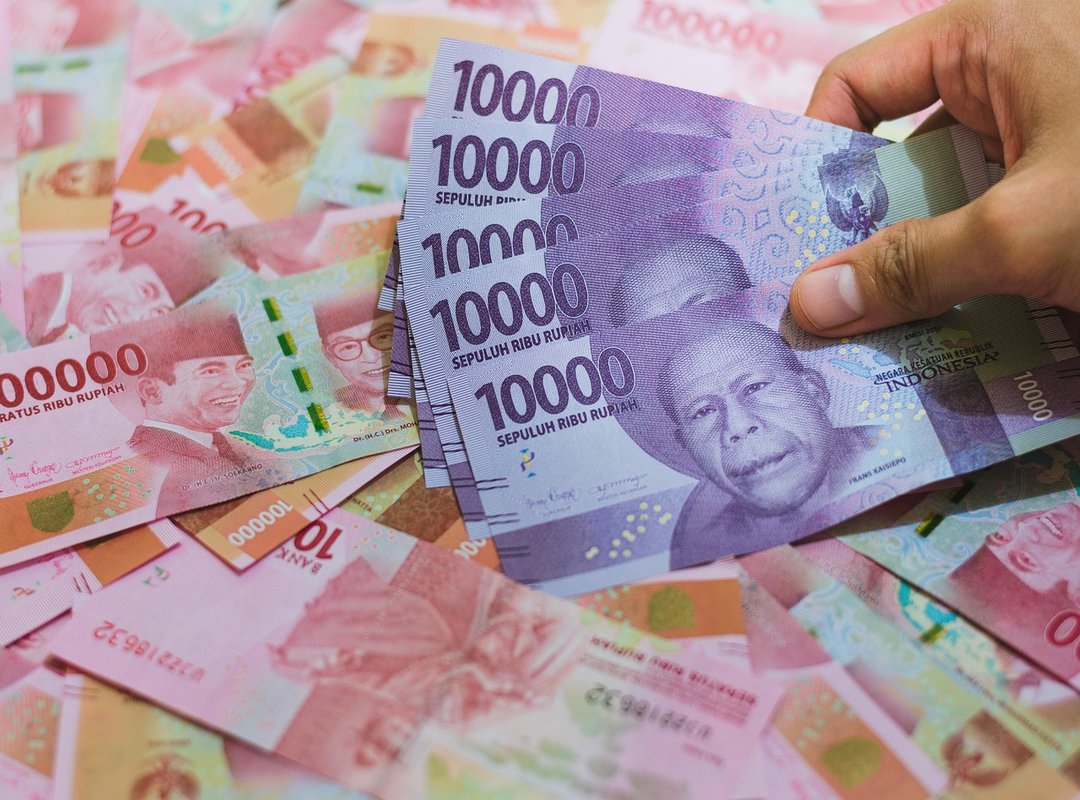
When you’re looking to exchange 2500 ringgit berapa rupiah, you’ve got a few options. Let’s break them down.
Option 1: Banks
- Pros:
- Secure and reliable.
- Easy to trust, especially if you’re new to this.
- Cons:
- Often have poor exchange rates.
- High hidden fees can eat into your money.
Banks are a safe bet, but they’re not always the best deal. You might end up with less rupiah than you expected.
Option 2: Online Money Transfer Services (e.g., Wise, Remitly)
- Pros:
- Typically offer the best rates.
- Low, transparent fees.
- Cons:
- Requires setting up an account.
- Needs a bank transfer, which can take some time.
I personally love online services. They give you more bang for your buck, and the transparency is refreshing. Just make sure you plan ahead since it’s not instant.
Option 3: Physical Money Changers
- Pros:
- Instant cash, great for tourists.
- Convenient if you need money right away.
- Cons:
- Rates can vary significantly.
- Risk of scams in tourist areas.
Physical money changers are handy, especially if you need cash immediately. But be cautious. The rates can be all over the place, and you might get ripped off if you’re not careful.
So, what’s the best method, and it depends on your situation.
- For large amounts: Go with online money transfer services. They offer the best rates and low fees.
- For small amounts of cash upon arrival: Use a reputable physical money changer. Just do your research and avoid shady-looking places.
One last thing. Be wary of ‘no fee’ or ‘zero commission’ claims. These often mean the cost is hidden in a poor exchange rate.
Always check the total amount you’ll receive before making the exchange.
Hope this helps!
Getting the Most Value For Your Money
The exact value of 2500 ringgit berapa rupiah changes, but the method for finding it does not. Always check the current mid-market rate first. Then, compare the rates and fees from different services.
A small difference in the exchange rate can lead to a significant loss when converting larger sums of money.
Before you convert, always ask: What is the final amount in Rupiah I will receive after all fees? This empowers you to make the smartest choice.
 Thomas Currynionez is the kind of writer who genuinely cannot publish something without checking it twice. Maybe three times. They came to ai and machine learning insights through years of hands-on work rather than theory, which means the things they writes about — AI and Machine Learning Insights, Tech Innovation Alerts, Expert Insights, among other areas — are things they has actually tested, questioned, and revised opinions on more than once.
That shows in the work. Thomas's pieces tend to go a level deeper than most. Not in a way that becomes unreadable, but in a way that makes you realize you'd been missing something important. They has a habit of finding the detail that everybody else glosses over and making it the center of the story — which sounds simple, but takes a rare combination of curiosity and patience to pull off consistently. The writing never feels rushed. It feels like someone who sat with the subject long enough to actually understand it.
Outside of specific topics, what Thomas cares about most is whether the reader walks away with something useful. Not impressed. Not entertained. Useful. That's a harder bar to clear than it sounds, and they clears it more often than not — which is why readers tend to remember Thomas's articles long after they've forgotten the headline.
Thomas Currynionez is the kind of writer who genuinely cannot publish something without checking it twice. Maybe three times. They came to ai and machine learning insights through years of hands-on work rather than theory, which means the things they writes about — AI and Machine Learning Insights, Tech Innovation Alerts, Expert Insights, among other areas — are things they has actually tested, questioned, and revised opinions on more than once.
That shows in the work. Thomas's pieces tend to go a level deeper than most. Not in a way that becomes unreadable, but in a way that makes you realize you'd been missing something important. They has a habit of finding the detail that everybody else glosses over and making it the center of the story — which sounds simple, but takes a rare combination of curiosity and patience to pull off consistently. The writing never feels rushed. It feels like someone who sat with the subject long enough to actually understand it.
Outside of specific topics, what Thomas cares about most is whether the reader walks away with something useful. Not impressed. Not entertained. Useful. That's a harder bar to clear than it sounds, and they clears it more often than not — which is why readers tend to remember Thomas's articles long after they've forgotten the headline.